Health and Wellness
General
Student Life
General
Student Life
Health and Wellness
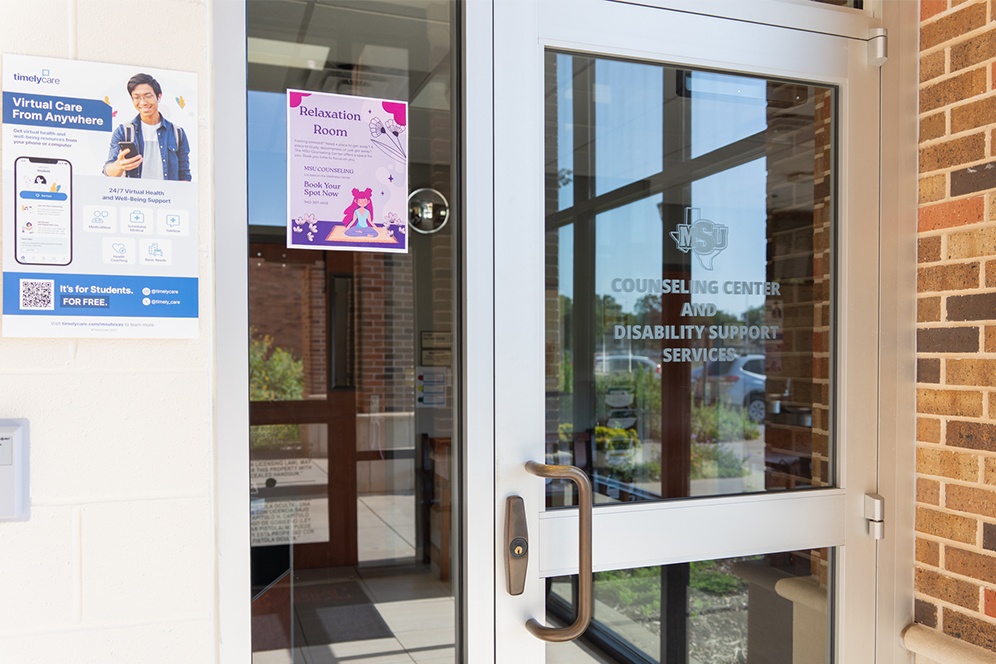
Mental health matters at MSU Texas Counseling Center
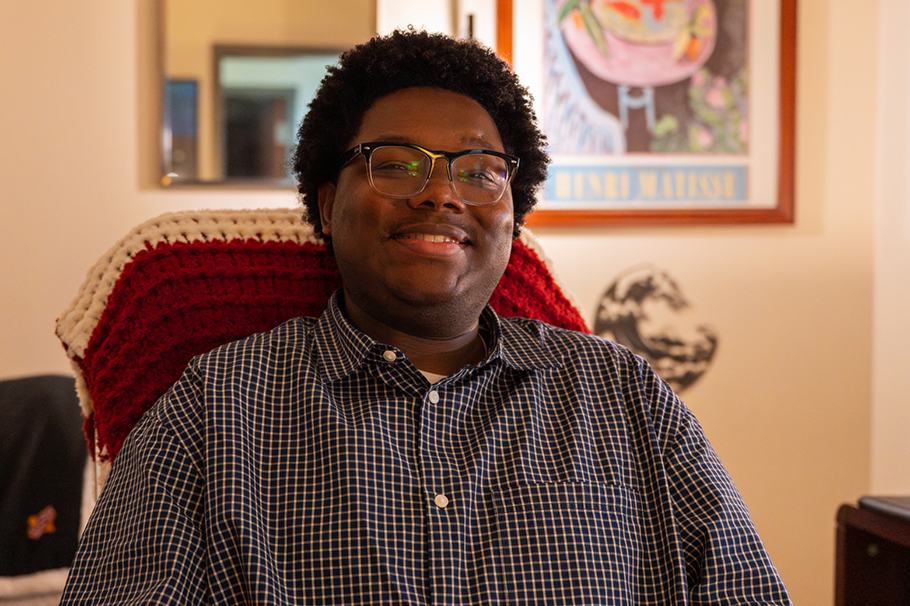
“I’m really just all about making sure the students are getting exactly what they need,” said Dacion Tatum, a counselor at Midwestern State University’s Counseling Center.
Tatum said the Center works to connect students with mental health resources, particularly for those who have limited access to outside services.
“I feel like our biggest goal is to kind of bridge those gaps that exist,” Tatum said.
The Counseling Center provides students with a place to talk, seek support, and receive referrals for additional care. Mark Rehm, the Center’s new director, and Tatum said mental health can play a significant role in students’ academic and personal success.
College is also a time when many students are learning more about themselves, examining their pasts and deciding what they want from the future, Tatum said.
Both counselors said students and their friends or family members should pay attention to changes that may signal someone is struggling. Rehm said those signs can be obvious, such as a sudden change in behavior or self-deprecating comments. Tatum added that they can also be subtle, such as losing interest in activities or not feeling like doing things that would normally appeal to them.
Before becoming counselors, Rehm and Tatum had different paths into the mental health field.
Tatum interned at the Counseling Center while he was a student at MSU and later worked for a private care facility. His experience as a student helps him understand some of the challenges students face.
“I guess the biggest thing is that I took for granted the resources I had here at the time, and I think that is the positive side of working with students, that I’m not far removed from,” Tatum said. “I can kind of speak to those experiences, but also understand them on
a deeper level than maybe other providers they’ve seen in the past.”
Rehm initially earned a bachelor’s degree in business, but he realized after graduating that the field was not his passion. He eventually became interested in counseling after noticing how comfortable people felt discussing their problems with him.
“I feel like growing and giving back is my passion and purpose right now,” Rehm said. “That was a time that was really hard for me, but now I can talk to college students – listen to them and help them grow and form their identity, which is really exciting.”
Rehm said relationships are often connected to the concerns students bring to counseling.
“We’re so used to staying in our rooms and isolating,” Rehm said. “Almost everything I’ve encountered in college counseling comes back to relationships at some point. Either a lack of relationships or conflict and turmoil in relationships, so if we have healthy relationships, we’re probably gonna have less stress.”
In addition, students can support mental health through exercise, socializing, and eating nutritious food. Rehm said self-care is important, but students should seek help when those efforts are not enough.
The counselors also emphasized that asking for help is not a weakness. Rehm said avoiding difficult emotions can cause more harm than expressing them, even when people worry about how others may respond.
“We allow them to kind of work on who they are, and hopefully that translates to when they leave,” Tatum said. “We’re hoping this isn’t another experience that has left them drained or unfulfilled, or feeling terrible about how they’ve been able to exist. The past plays a part, but we are looking toward the future to see what they can get out of life moving forward.”
Related Posts
General
Student Life
Health and Wellness
Mustangs Move-In 2026
Education
Health and Wellness
Business and Government
General
Student Life
Welcome to MSU Texas
Health and Wellness
General
Science and Technology
Student Life